
The PLACE lab (Planning for Climate Equity) is housed in the School of Community and Regional Planning at University of British Columbia. Our research explores equitable climate and energy transitions through a planning lens, primarily in North America.
research themes
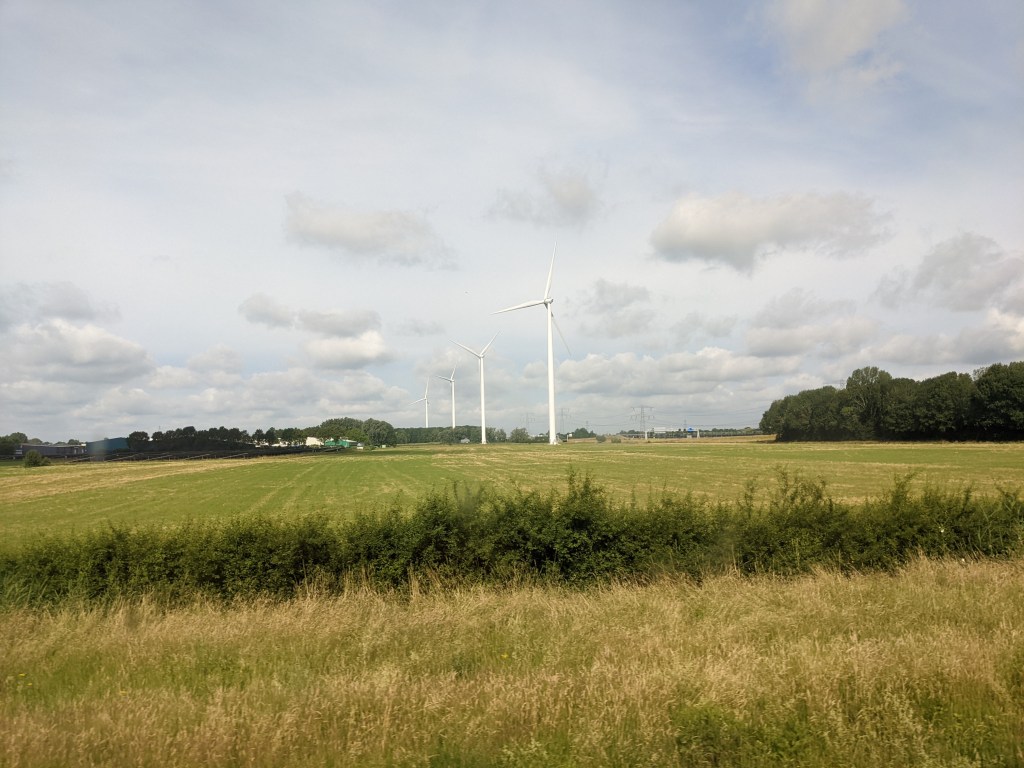
decision making for just transitions
How do individuals, households, policymakers, communities, and coalitions make decisions that impact energy and climate? What processes facilitate equitable decision making?

community-led solutions
What aspects of energy transitions can improve collective livelihoods? What opportunities exist for alternative ownership and governance structures that prioritize equity and engagement?

solidarity and care
How do communities sustain each other in times of compounding crises? How does mutual aid and community care build infrastructure for autonomy and collective action? When and how might planners make room for informal, unofficial, radical, or anarchist aid provisioning?
current lab members
Charlotte Taylor
Incoming PhD Student, SCARP
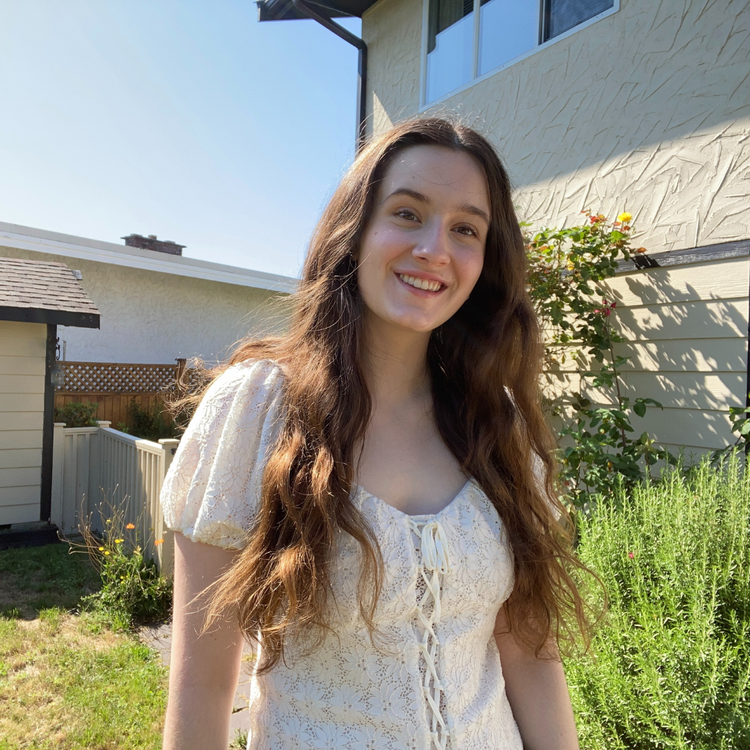
Charlotte (she/they) originally joined the lab as a research masters student at SCARP, co-supervised with Dr. Alex Tavasoli (MECH, LoFi lab). Her work explores climate justice, environmental planning, and community-owned energy. She holds an undergraduate degree in Interdisciplinary Studies with a thematic focus on climate change in media. Charlotte is committed to fostering transformative change and honouring the legacy of grassroots movements that have upheld climate justice activism. Charlotte’s thesis, “Powering up communities: cross-sector learnings and a social finance typology for community-led renewable energy (CRE) infrastructure”, is available here.
Giulia Belotti
PhD Student, IRES
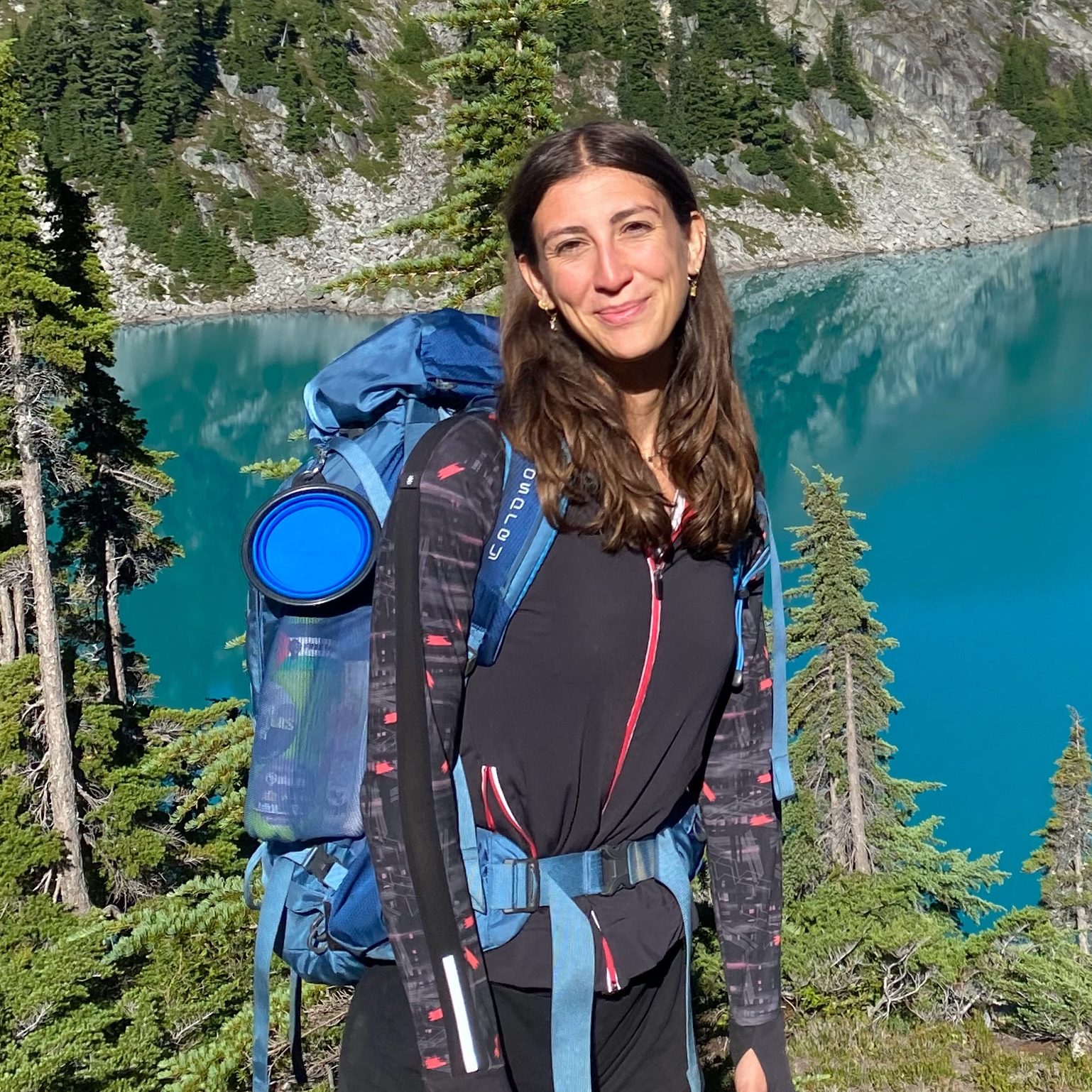
Giulia’s (she/her) work sits at the intersection of climate mitigation, social justice, and governance, with a strong focus on collective ownership models and community agency in shaping climate solutions. She has worked extensively on carbon dioxide removal technologies, exploring the ethical and justice dimensions of these emerging approaches. Her current research expands this focus to include more conventional mitigation infrastructure—such as solar and wind energy—investigating how these systems can be developed and governed in ways that center equity, accountability, and community participation. Previously, she worked on land use planning at the intersection of housing, transportation, and climate justice, partnering with local communities to better understand the structural roots of urban inequality. Outside of research, Giulia stays actively engaged in grassroots and activist movements for collective liberation, which continue to inform and ground her work.
Laura O’Dogherty Tábora Solares
PhD Student, IRES
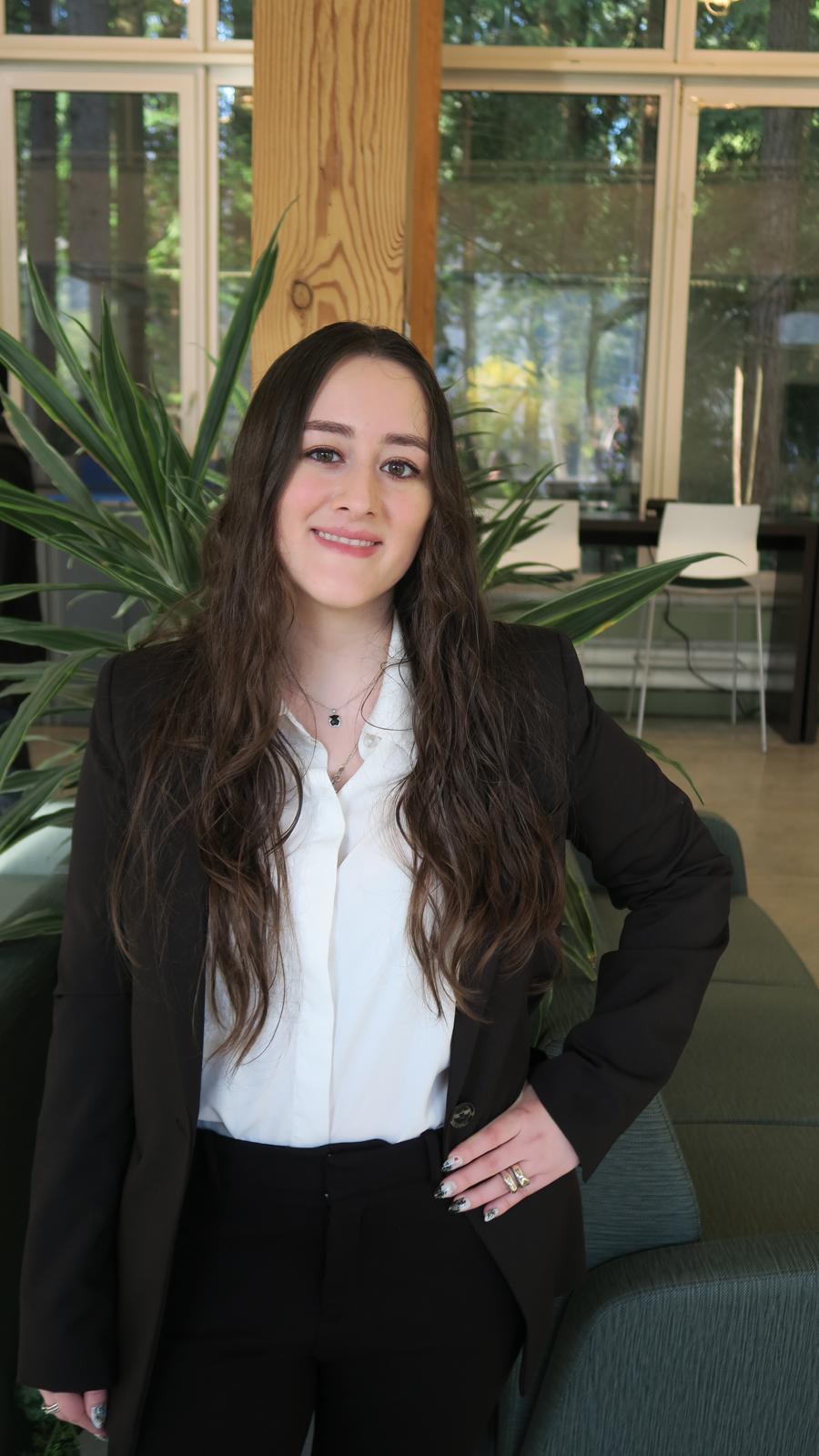
Laura (she/her) previously worked at Banco de México in the Directorate of Environmental and Social Risk Analysis and Policies, where she contributed to conferences and working groups of the Network for Greening the Financial System (NGFS), focusing on international engagement and capacity-building related to climate risk. She earned her Master of Public Policy and Global Affairs (SPPGA) at UBC, specialising in resources, energy, and sustainability policy in both national and global contexts. Her research explores climate communication and public engagement, with particular attention to how narratives around renewable energy transitions, central banking, and community acceptance can shape more inclusive and effective sustainability pathways.
Natalia Goncharova
PhD Student, IRES

Natalia’s (she/her) research examines the contractual and financial architecture of the rural energy transition in the United States, with a focus on how utility-scale solar reshapes land tenure for the farmers and landowners who host it. She is supervised by Dr. Joséphine Gantois and Dr. Holly Caggiano. Her doctoral project investigates how solar development is unfolding not through public planning but through private, confidential lease contracts, and how layered LLC structures obscure who ultimately owns and profits from these projects. Her work bridges two literatures: research on beneficial-ownership transparency in extractive and financial sectors, and empirical scholarship on the lived politics of solar siting on farmland. She aims to produce evidence that can inform beneficial-ownership disclosure requirements for energy projects and strengthen protections for the rural communities navigating these leases.
Davis Cover
Incoming Research Masters Student, SCARP
lab alumni
Madison Lore
Assistant Professor of Urban Planning and Data Analytics, Cornell University
SCARP PhD 2025
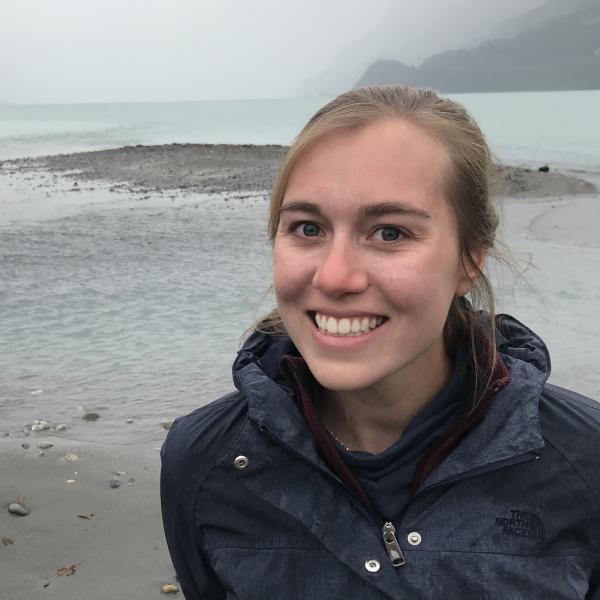
Madison received her PhD at SCARP and went on to join the faculty at Cornell University. Her research explores the intersection of urban data science, social processes, and sustainable transitions. Her work examines socially responsible uses of large-scale data methods to reveal how environments of information overload can influence public perception and uptake of sustainable behaviors. These core conditions form the basis for research in equitable distribution of resources, institutional influences on behaviors, and individual support for sustainable policies.
Kylie Clark
Sustainability Associate, Pinna Sustainability
SCARP MCRP 2024

Kylie Clark (she/her) is a planner of Métis-Irish heritage researching the intersection of climate resiliency and affordable housing with an equity-based lens. Kylie received her MCRP from SCARP and was a Climate Solutions Research Collective Scholar, where her research looked at re-wilding small urban spaces using Miyawaki method mini forests to improve urban green equity, build community and local environmental stewardship, and increase both climate and social resilience in priority neighbourhoods.
collaborators
- Sustainability & Social Change Lab
- Laboratory of Future Industry (LoFi)
- Behavioral Science of Policy Lab (BSPL)
- Climate, Land, and Spatial Science (CLASS) Lab
how to get involved & current openings
- Postdoctoral Opportunity, applications due June 15, 2026: Postdoctoral Research Fellow (PDF) for Interdisciplinary Social Scientist working on Energy Transitions and Carbon Dioxide Removal

